Mt Rainier

Mt Rainier
Mt Rainier
Showing posts with label global warming. Show all posts

Tuesday, September 1, 2015

Seattle - Tacoma International Airport - Self Organization


I have addressed environmental issues, including climate change and those around the Seattle-Tacoma International Airport, in a variety of blog articles.  These are listed below.

Self organization and complexity are important structures in considering how advanced systems develop.  The region around the Seattle-Tacoma International Airport, among others, is a self organizing environment reflecting environmental factors in the area, including it's Carbon footprint.

Previous blog articles have discussed the environmental issues around the Seattle Tacoma International Airport.  In Seattle-Tacoma International Airport - Environmental Issues
I discuss an FAA study, Aviation and Emissions, a Primer. According to that study, about ten percent (10%) of aircraft emissions, except for carbon monoxide and hydrocarbons occur at ground level or during take off and landing.  However, thirty percent (30%) of carbon monoxide and hydrocarbon emissions from aircraft occur during ground level emissions.

Iron Oxide reacts with Carbon Monoxide, at high temperatures, to produce Carbon Dioxide and Iron.  Does this impact the levels of carbon dioxide in the vicinity of the Seattle Tacoma International Airport (and especially in low lying areas where there may be a pooling or sinking of Carbon Monoxide)?  That is an interesting question, among others, in examining the distribution of the Carbon footprint in Washington State and other areas, and in what form Carbon might appear.

marilyndunstan.blogspot.com
Externalities and Risk - The Seattle-Tacoma International Airport
Seattle-Tacoma International Airport - Environmental Issues
Seattle-Tacoma International Airport - Pollution

Friday, August 7, 2015

Financial Rating Agencies and Risk - Liquidity

Iceberg, Weddell Sea, Antarctica

Updated 9/5/2015:
 
I took this photograph from the Icebreaker Kapitan Khlebnikov, as we transited the Weddell Sea from the Ice Shelf of Halley Bay to the Antarctic Peninsula.  Antarctica (map) is a land of beautiful desolation, and I was able to capture nature photographs depicting its stunning landscapes and the wildlife that inhabits it.  Many countries have stations in Antarctica and I was honored to be able to visit two of them, Neumeyer (German) and Halley Bay (United Kingdom).  

Icebergs have powerful symbolism, expressing concept in many different venues.  In the maritime sense, they represent hidden risk, as ten percent of the iceberg may be visible, the remaining ninety percent of the iceberg underwater.  The Titanic collided with an iceberg in the mid-Atlantic in 1912 and is an example of risk associated with transiting areas with icebergs.  These powerful metaphors or concepts can also be expressed in other venues, including the financial arena, where risk exists and may be hidden, subject to the impact of financial bifurcation points.  

Chaos theory discusses how financial risk, and bifurcation points can reflect hidden factors which sudden express what we term "Black Swan" risk events as typified by Mohamed A. El-Erian's work.

In the financial arena, these risks reside in financial rating models.  My June, 2015 article, Financial Rating Agencies and Risk, discusses Rating Agency models in the context of jet engines, which operate under a wide range of atmospheric conditions. Similarly, financial vehicles are tested under a wide range of scenarios, by various entities such as Rating Agencies and regulators in a wide variety of fields, including banking and insurance, under different legal constructs and governmental agencies.

As discussed in my article, Financial Rating Agencies and Risk, different Rating Agencies, such as Standard and Poor's and Moody's may reflect their analysis of risk in different ways.  General Electric (GE) is used as an example in my blog article. which discussed Standard and Poor's maintenance of GE's rating in the light of its decision to divest itself of real estate assets and exit its GE Capital Finance arm.  Moody's, however, downgraded GE on its decision, indicating GE was favoring equity investors over creditors.  These rating decisions reflect different decision processes by Rating Agencies, not explicit government agencies.  However these Rating Agencies have considerable impact over the manner in which financial decisions are reflected in the marketplace.

Clearly, there is hidden information which Rating Agencies, and governmental entities, are aware of.  When there is a relationship between Rating Agencies and financial entities, as in the payment of a fee in exchange for a rating service, there is an incentive for the Rating Agency to monitor the actions of the company, as money has changed hands, and participate in the decisions of the company involved.. At some point, however, the economic prospects of the company do not warrant the degree of risk assigned to it, and the Rating Agency may choose to exercise a number of financial tools in order to maintain its credibility in the financial marketplace as a reliable partner in assessing risk.

You see, the Rating Agency has two major clients; one, those purchasing its evaluations of companies, and another, two who pay for its services in order to exchange information, maintain a rating as to its financial soundness, and exchange information in order to do so.  Government agencies are a different entity involved, and they sit and cast a watchful eye over the ability of Rating Agencies to remain impartial; they are also concerned as to the ability that Rating Agencies have to move the markets, and, especially, their ability to impact major market moves that could mask efforts at financial or other types of terrorism.

This is where the increased complexity of emerging financial instruments presents a risk for regulators as they seek to keep up with new financial structures and derivatives such as special purpose vehicles, credit default swaps (CDS) and collateralized debt obligations (CDO's).  The Treasury, certainly, is interested in attack on the financial system.

A company does not exist in a vacuum; it exists within a financial structure of ever increasing complexity, reflecting not only national considerations, but a world economic milieu of globalization that impacts its decisions, as nations develop and industries expand, contract and relocate or adopt new methodologies such as outsourcing.  Externalities are always a consideration, and this this issue is discussed in my blog article of the same name.

This brings us back to the iceberg and the hidden factors. GE presents an interesting case study as we look to parse the actions of Standard and Poor's and Moody's in their rating of GE.  My blog article, Our Nuclear Future - Financial Risk and Externalities briefly discusses the issue of the six nuclear plants designed by GE, which were part of the Fukushima Daiichi Nuclear Site's design.  The interesting question is the use of ratings in conjunction with the use of chaos theory and bifurcation points to bring down the economy and financial system.

There are specific provisions (options) in financial agreements that allow a company to take action in the case of certain events such as ratings downgrades.  This puts a particular onus on Rating Agencies who have access to company information; it also presents a challenge to companies being rated as they seek to understand the processes which rating agencies use to rate their companies.

The interesting question in analyzing GE in the light of its departure from GE Capital, which finances GE engines, and from real estate, is its liquidity position and its exposure to risk from liquidity events in the light of the various risks that its operations faces.

Indeed, liquidity is an important consideration in analyzing a company's financial soundness.  An example where liquidity events have taken down companies is General American Insurance, where exposure to risk from institutional investors brought down the company.  General American had high exposure to funding agreements, which allowed policyholders to exercise a put option (withdraw funds without penalty) upon the adverse action of Rating Agencies. The construction of funding agreements involved mark to market issues and the use of put options in mutual funds (7 day put options).  Moody's downgraded General American's insurance financial strength rating from A3 to Ba1 on August 9, 1999.

The interesting question with the actions of Standard and Poor's and Moody's with regards to GE is the divestiture of the GE Capital financing arm and the Real Estate assets; both of these events seem to reflect a move to better match projected assets and liabilities by increasing liquidity, potentially in the light of anticipated liabilities.  These are the hidden, or unknown issues that confront regulators.

Why discuss GE?  With issues of climate change and global warming, jet engines, which operate under a wide range of atmospheric conditions utilize various fuels for combustion under a wide degree of parameters representing different aspects of aviation usages, including private, commercial and government use. My blog article on the Polar Pioneer discusses these issues in the light of exploration and drilling for petroleum products in the Arctic. The availability of fuel and the mode of combustion and types of engines employed will always be an important characteristic of any decision process as we analyze our future options.

Many people have contributed to the issues discussed in these blog articles and I express my appreciation to them and to their contributions.

Liquidity issues are important factors in assessing financial risk.  They represent one category of risk among others that can reflect bifurcation points which can impact the economy.  Organization structure is also important, as indicated by the Barings Bank issue where Nick Leeson was involved on both sides of the house, trading and operations.

Alamy.com - Risk Lightbox

marilyndunstan.blogspot.com:

Wikipedia:

Maps:

Rating Agencies:


General American Insurance:

GE:


Sunday, July 12, 2015

Israel and Akiva Tor


Potato Latkes with Apple Compote

I attended a talk given by Akiva Tor, Israeli Northwest Consul General, San Francisco Consulate, given November 3, 2010.  It was very interesting to hear Mr. Tor speak regarding the very compelling issues in the Middle East.  Mr Tor was very earnest in seeking to work with the American government to deal with common areas of interest.  Mr Tor spoke regarding the necessity of maintaining Israel's national security and hoped to find a way to ease the emergent problems in the settlements.

Mr Tor is now Director for Special Projects, Israel Ministry of Foreign Affairs.  An article in JWeekly.com discusses his term as Northwest Consul General.  Mr Tor has an interesting background and his service has ranged from involvement in the community, to film screening sessions, to museum openings.

What interests me most about Mr Tor's stint as Northwest Consul General, is his involvement in aiding U.S. government interests in divesting in companies which do business with Iran.  As the articles states, lawmakers had already passed a bill mandating that CalPERS and CalSTRS, (State Pension Funds) "divest from companies doing business with Iran. However, compliance and enforcement had been lax".

I find the issue of divestment very interesting and compelling.  I understand well the fiduciary issues that confront plan sponsors. Indeed, fiduciary responsibility in pension funds is a compelling issue to many retirees.

 This issue is very important in pension plans where the Pension Benefit Guaranty Board (PBGC) operates as a U.S. Government Agency.  The Pension Benefit Guaranty Board Annual Report for 2014 depicts its operation.  The PBGC provides coverage for private sector single employer and multi-employer plans.

Washington State's Pension Plans have had issues with KKR and WAMU. according to this article in the Seattle Times. Recently, KKR settled fees with the SEC that has impacted the Washington State pension system, as well as others.

Indeed, it is interesting to note the cascade which erupted from the chain of failures in 2008.

This takes us back to the issue of Mr Tor and divestment.  For the individual investor who wishes to invest in stocks, the issue of what to invest in has particular meaning. Some products may be repugnant to certain investors and those investors may wish to avoid stocks or mutual funds that include them. This is called "social investing".  This is becoming increasingly difficult in today's society when conglomerates operate to market many products, some of which a particular investor might find distasteful.

The issue of divestment as a financial tool is an interesting one in today's society worthy of additional study as the method of divestment is being used by more and more groups, generating more and more difficult problems of attribution.

In an increasingly complex society, many of these issues cross boundaries and become caught up in the intricate issues of global warming and climate change which confront nations across boundaries.

Congressional Budget Office - The Risk Exposure of the Pension Benefit Guaranty Corporation
Pension Benefit Guaranty Corporation - Wikipedia
Seattle Times - State's Pension Fund Bets Big on Private Equity
Pension and Investments  - Settlement of Charges with SEC over Fees
State's Pension Plan Bets Big on Private Equity - Seattle Times

Wikipedia:
KKR
Washington Mutual (WAMU)

Sunday, June 7, 2015

Senescence

Gingko Biloba Tree


Senescence is the process of growing old, or aging.  Senescence can refer to a process that occurs on many different levels, from cellular levels, to the whole body level, to higher organizational levels and including physical and psychological structures.

Aging occurs at different rates and different times in different life forms.  Senescence is directly or indirectly a major cause of death.  Senescence may reflect underlying biological processes, mediated by gene expression, can reflect programmed cell death and can be accelerated by environmental factors, such as exposure to radiation.

My 2014 blog article discusses senescence in  the Gingko Biloba Tree, a living fossil dating back to the Permian era (270 million years ago), which exhibits clonal reproduction.  Natural leaf senescence in the Gingko Biloba has been researched in male and female trees, with regards to impacts of reactive species and anti-oxidants on the rates of senescence.

Senescene on a cellular level, expressed as replicative senescence, reflects a cell's attainment of the Hayflick limit.  The Hayflick limit refers to a limit on the shortening of DNA telomeres,  which cap the ends of the DNA strands.  As the cell divides, it loses telomeres in the division process.  The Hayflick limit reflects the end of the telomere line, at which point the cell becomes senescent.  Senescence is accelerated by exposure to reactive oxygen species,  exposure to oncogenes, and to cell to cell fusion, a process where cells join to form what is callled a 'syncytium'.  I discuss a number of the processes that may encourage the early development of senescence in other blog articles, listed below.

Exposure to radiation generates reactive species.  This can include anything from high energy ionizing radiation which liberates electrons from atoms and molecules, to non-ionizing radiation.   Ionizing radiation may include cosmic and gamma rays and some ultraviolet wavelengths.  Geomagnetic storms may result in increased exposure to high energy particles, as would exposure to nuclear radiation.

Non-ionizing radiation includes radar microwaves and those used by cell phones, which can disturb lymphocytes  in rats. Some ultraviolet wavelengths including UVA, UVB and UVC are non-ionizing. Disturbances in the Ozone layer result in increased ultraviolet exposure, with the Antarctic having historically greater ozone depletion than the Arctic. 

 Reactive species can be produced through natural bodily process, in Oxidative Phosphorylation (OXPHOS), in the production of Adenosine Triphosphate (ATP) through mitochondrial processes.  The Metabolic Theory of ecology deals with these issues. It reflects Kleiber's Law which relates metabolism to body weight .  I discuss these issues in my blog on "The Odd Couple - The Mitochondria and the Cell Nucleus", where cellular processes are both exposed to and create oxygen radicals.  This article also discusses other sources of reactive species, including pollutants, chemicals and toxins.

Exposure to oncogenes can also lead to senescense.  Oncogenes can arise from a variety of sources, including potentially avian sources which operate within our body's innate and adaptive immune system transcription factors.

Induction of cell-cell fusion, as occurs in syncytium, can also lead to senescence.  Syncytium can form in protists such as rhizarians, in fungi, in heart muscle and skeletal muscle, and, importantly, in the placenta where they take on a meaning relating to group immunity systems, as discussed in my blog article.  The heart is a critical organ in the human body and tests such as the Cardiac MRI Adenosine Stress Test (using a gadolinium contrast agent) tests the ability of the heart to act "in sync".

 Adenosine is an important nucleoside which modulates a variety of important physiological processes, including heart activity, and as an important moderator of the sleep-wakefulness cycle. Caffeine is an antagonist of adenosine receptors in the brain.  The action of Adenosine is also impacted by theophylline (found in tea) and theobromine (found in chocolate). Adenosine is an inhibitor of the central nervous system and relaxes the heart muscle.  Adenosine also increases hair thickness.  The modulation of adenosine may be related to senescence.

Organismal senescence is a decline in the ability of the organism to respond to stress, and an increase in various symptoms characteristic of aging, including a decline in homeostasis, the ability of the body to respond to various cues.  Alzheimer's Disease is one condition which may be associated with senescence, and may relate to various environmental factors as discussed in my blog article.

Senescence can be mitigated through increased exposure to anti-oxidants, which can be obtained through certain foods (e.g. blueberries are a food high in anti-oxidants),  and internally through transcription factors such as superoxide dismutase.

Senescence may be impacted by a variety of processes germane to environmental issues relating to climate change and global warming, including natural processes and anthropogenic forcing (originating in human activity).  These processes may all impact factors germane to reactive oxygen species and anti-oxidants.


Thursday, February 26, 2015

Climate Change and the Thermohaline Circulation


 Sea Ice, Svalbard, Norway

In my previous article on Climate Change and Carbon, I discussed the impact that carbon emissions have on climate change and global warming.  I discussed international agreements, global temperature, carbon sequestration, carbon dioxide as a sensitive indicator of climate change, and global health as a factor in how we interact with a changing world.

In this article I discuss the thermohaline circulation and its interrelationship with climate change. The thermohaline circulation may be explained by chaos theory, as a "bifurcation point", a sensitive indicator which may keep the planet under one paradigm, or place it into another paradigm, presenting planetary challenges.

Planetary cycles (Milankovitch Cycles)  indicate a trajectory at this time towards planetary cooling, or glaciation, reflecting a continuing decrease in  axial tilt (obliquity) .  This long term  cycle (41,000 years) presents psychosocial difficulties for those who are not accustomed to thinking on a scale involving geologic time. Such a scale seems way too far off to appear relevant, eclipsing by orders of magnitude scales such as 100-year floods or 500-year volcanic eruption intervals such as at Mt Rainier as discussed in my 2011 blog article.

At the same time as underlying very long term planetary cycles (e.g. obliquity) are pointing us towards planetary cooling, our earth is warming with the effects of climate change. We are in the throes of opposite systems colliding, facing very different issues.  The immediate climate change issues are important, however considering the long term factors is also relevant to the discussion.  Global health issues are tied up in both discussions, as evolution may take a variety of paths in response to planetary indicators.

My blog article, Climate Change and global health discusses some of the ramifications of health effects of climate change, including those depicted as coastal flooding.  A trend towards glaciation, a Mini-Ice Age or even in the extreme, a Snowball Earth would bring on very different changes, and adaptations and implications for global health.

The oceans are an important factor to consider in assessing such developments.  The Earth goes between icehouse and greenhouse cycles.  These cycles can be captured via examination and measurement of calcite and aragonite seas. A graph, shows the emergence of an aragonite threshold during the current period, which might indicate the emergence of a period of glaciation.  Aragonite seas  contain high magnesium calcite, and less abundantly, aragonite while calcite seas  have lower magnesium content, which increases as a threshold is reached.

The calcites  are inorganic carbonate precipitates, with calcium carbonate (CaCO3) being most common precipitate.  Other precipitates include aragonite and vaterite.  These precipitates emerge in a number of areas, including shells of marine organisms, including  plankton, foraminafera and trilobytes  (where calcite was responsible for development of eyes).
.
There are a number of planetary adjustment factors that act to keep the planet in balance.  The National Oceanographic and Atmospheric Administration (NOAA) has a wide variety of information for the general public on science,  research and further  information regarding the thermohaline circulation , the ocean  and its role in climate.   The thermohaline circulation is central to the issue of planetary climate control.

Positive feedback loops work to increase the risk of global warming.  This effect occurs as the sea ice extent decreases, exposing open ocean and thus decreasing the planetary albedo.    Higher albedo is associated with higher reflectivity, or less heat retention, while lower albedo is associated with lower reflectivity and greater heat absorption.

As more heat is retained by the Earth, especially in the polar regions (the Arctic and the Antarctic), warming increases.  With increased warming comes melting, of sea ice, icebergs and glaciers, This melting may impact Arctic regions  such as Greenland and Arctic Ice, as well as the Weddell Ice Shelf in Antarctica.and Antarctic Sea Ice.  Ice may be lost from glaciers, resulting in the formation of tabular icebergs, and calving of those icebergs, which may increase melting, just as a bag of ice cubes melts faster than block ice.

The melting that occurs increases the flow of fresh water into the oceans.  This is particularly felt in the Arctic, where the thermohaline circulation travels northward from the warmer Gulf Coast of North American waters to cold North Atlantic Arctic waters.

The infusion of fresh water in the North Atlantic may disrupt the sinking of the saltier water in the North Atlantic, which develops as the result of formation of sea ice (as sea ice forms, it forms from fresh water and the surrounding water gets saltier, and sinks to deeper depths).  This infusion of fresh water in the North Atlantic could result in disruption of the thermohaline conveyor belt, thus impeding the delivery of warm water from the Gulf to northern areas in both North America and Europe, resulting in much harsher winters.  A shutdown of the thermohaline circulation could have very serious impacts on global climate.


Saturday, February 21, 2015

Climate Change and Carbon


Global Warming and Climate change are important topics.  Recent talks at the United Nations have highlighted the concern about these planetary issues that go beyond borders and seek to unite people in discovering means to solve the emerging problems.

The United Nations climate change site indicates that 2014 is on track to being among the hottest on record.  Christiana Figueres, Executive Secretary of the UN Framework Convention on Climate Change states "Fortunately our political climate is changing too with evidence that governments, supported by investors, business and cities are moving towards a meaningful, universal climate agreement in Paris 2015 - an agreement that keeps a global temperature rise below 2 degrees C by putting in place the pathways to a deep de-carbonisation of the world's economy and climate neutrality or 'net zero' in the second half of the century."

A recent article in Scientific American discusses United Nations climate talks in Paris last December. As the article indicates "(The planet's surface has warmed about 0.85 degrees C (1.5 degrees F) since 1880, worsening floods, storms and deadly heat waves.) The 2 degrees C target has since become a keystone goal of the negotiations."

NASA's, Global Climate Change: Vital Signs of the Planet displays information about climate change. including graphs and latest measurements.  This information shows steadily increasing recorded carbon dioxide levels in recent history, with inputed history obtained from ice cores indicating significant variation from historical levels over three glaciation periods. Ice cores have been drawn from the Arctic, Antarctic and mountain glaciers.  The measured value as of January 2015 showed 399.73 parts per million (ppm), just under 400 ppm. At current rates it should exceed 400 ppm in February 2015.


 NASA's Climate Change site provides information on Global Temperature.  Five year averages in global temperature are measured relative to a 1951-1980 average temperature baseline, indicating a dip in global temperature around 1910 and a steady rise since then.

Global Warming concerns have fostered considerable research  on climate change issues, seeking ways to mitigate the impacts of climate change, providing potential solutions.  Climate change and environmental issues have been addressed at local, state, federal and international levels.   The CIA World Factbook provides a list of Current Environmental issues and international agreements which countries listed are a "party to" and/or "signed, but not ratified".

I discuss some of the issues relating to climate change, including global health in other blog articles relating to Climate Change and Global Health  and Avian Flu.

Carbon, and especially carbon dioxide are sequestered in a number of areas on the planet, including in the rocks and in the oceans.  Other greenhouse gases, such as methane, are sequestered in areas such as Arctic Tundra, and in the oceans.  The questions remain as to how much capacity does our planet have to sequester carbon, without over stressing the resource with storage demands and whether there is a risk that carbon which has been already sequestered might be released back into the environment.

An outgassing of carbon dioxide at Lake Nyos (1986), in Africa, illustrates the problem which can occur with a body of water that is saturated with carbon dioxide.  Lake Nyos lies above a pocket of magma and is one of only three lakes saturated with carbon dioxide.  Lake Nyos is not the size of the ocean, however.

It is clear that carbon, and carbon dioxide are keystone issues in addressing global warming and climate change.  Global warming is especially sensitive to changes in carbon dioxide, as increases in carbon dioxide can also lead to increases in water vapor in the atmosphere, as indicated by a NASA report. Water vapor is the most abundant greenhouse gas.  Thus, increases in carbon dioxide in the atmosphere can act in a positive feedback manner to increase the greenhouse effect.

Just as carbon dioxide is a sensitive indicator in the atmosphere, and may represent a bifurcation between different climatological paradigms, one pursues, seeks and finds answers as to the equivalent impact that changing carbon dioxide atmospheric concentrations have on the human body, which is also a sensitive indicator of climate change. These findings have implications for Global Health, as well the psychosocial milieu in which mankind experiences climate change.

These are all very serious issues worthy of further research, consideration and action. The key question is the manner in which homeostasis is achieved, given the climate change issues.


Sunday, November 30, 2014

Climate Change and Global Health


Storm Surge Flooding, Westport, Washington, November 2009

Climate Change and Global Health

Climate change poses a number of risks to global health.  These risks draw our attention to the fact that health issues operate on a scale that transcends our own individual concerns, extending well beyond local communities, state and national boundaries.  

I attended a lecture in February, 2011, by Dr Howard Frumkin, Dean of the University of Washington School of Public Health on the health risks of climate change.  It was an interesting talk, covering many areas where climate change impacts global health. These impacts may be associated with the increased frequency of extreme weather events. 

Extreme weather events discussed included increased heat, cold, melting, freezing, flooding and droughts.  Increased atmospheric instability may give rise to more frequent hurricanes and tornadoes. Extreme weather events can be viewed on various time scales, from 50 to 100 year storms, to events on a more geological time scale.

Heat stress is of particular concern to the elderly, the young and the immune-compromised. Extreme heat, especially in non or inadequately air-conditioned spaces may result in premature mortality during heat waves, in the vulnerable, especially in the city where paved areas draw heat.  Dr Frumkin was concerned about the "harvesting" effect of heat waves on elderly, urban, populations.

Cold, snow, ice and freezing also may become survivability issues, involving issues of heating and interruption of water and electrical service.  Storms may impact travel and thus food supply, transportation of vital supplies to population centers and medical facilities.  

Public health challenges may emerge with air or water quality issues, impacting respiratory, cardiovascular, and other associated systems.  Infectious diseases may spread via the air or water through vectors  such as tic or mosquitoes, or via zoonotic means through human to animal or animal to human spread).  Allergies may develop in response to climate changes, and new pathogens may emerge or spread to different areas.

Air pollution is a problem which affects more than just urban areas.  With experience working in the regulatory air quality sector, I realize the widespread impacts that pollutants such as ozone and other pollutants have.  Photochemical reactions involving products of combustion (e.g. auto exhaust) take place in the atmosphere resulting in ozone levels downwind of major urban areas. As the reactions involve sunlight and heat, the levels on sunny and hot days increase in the summer. In the fall and spring periods of extended air stagnation resulting from stalled high pressure weather systems may increase the respiratory and cardiovascular burden on the vulnerable patient group. Air pollution does not know boundaries, thus residential and industrial pollution from other countries may impact us, as ours impacts theirs.  Forest fires add to the impact.  Extreme weather may impact all these issues.

The impact of climate change, extreme weather events and public health challenges may impact food production, may result in civil conflict, dislocation of impacted people and may increase the expression of mental health issues .

The discussion of climate science drives the discussion on public health impacts as projections are made regarding the manner in which changes will take place in Earth's climate systems.  Modeling climate systems drives downstream weather and public health challenges. These challenges are studied in a variety of settings, including federal government institutions such as NOAA, NASA and the CDC, and at a variety of state and local governmental and, at private institutions.  The Intergovernmental Panel of Climate Change and the National Climate Assessment have comprehensive plans reflecting policy in this area.

Extreme weather events can result in significant mortality and morbidity, as well as impacts to property.  Tornadoes and Hurricanes and wind storms may result in death and injuries from flying objects, falling trees and power lines as well as medical emergencies secondary to the event.  Fires may result from damaged gas lines. 

Increased flooding and storm surge may result in drownings and damage to property. Flooding may increased the spread of infectious diseases, problems with sewage systems and interruptions in drinking supplies

Drought may bring about reductions in food supply.  This is a serious issue as crops may be challenged to grow in areas where they were previously able to.  Vegetation, vectors and pathogens may spread into other areas as a result of warming.  This impacts the latitude at which such impacts occur as well as the altitude above sea level, moving to cooler latitudes and elevations.

More weeds may develop in urban areas in response to climate change and global warming as vegetation adjusts to the changing environment.

Extreme weather events thus may have public health impacts relating to many systems, resulting in dislocation of people and mental health issues as citizens adjust to the events.

The challenge is how to address climate change issues in the context of these public health issues.


Saturday, July 16, 2011

Nuclear Balance-of-Risks


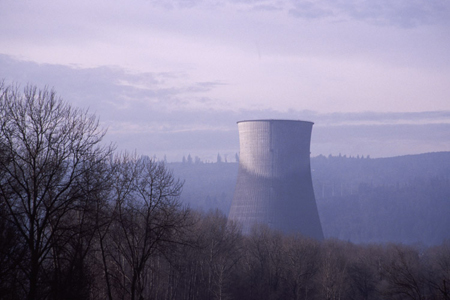
Nuclear reactor technology has allowed the world-wide use of nuclear reactors for energy production. With the world faced with mounting carbon dioxide levels and global warming a concern, nuclear energy provides a low carbon emission alternative to traditional energy sources (World Nuclear Association and MIT study). This aspect of nuclear energy makes it a very attractive energy alternative. With President Obama wishing to expand the United States nuclear power plant program, the question becomes an issue of balance-of-risks.

Accelerating nuclear reactor development provides a low carbon emission energy source; however there is risk associated with the use of nuclear materials. If we do not take advantage of nuclear’s low carbon footprint and instead pursue other, higher carbon footprint strategies, we risk exacerbating global warming issues. There are other options, as well, such as cleaner technologies, emerging energy technologies and reducing fertility rates to decrease population size.

We seek to understand the low probability, high impact, long-tail risks associated with the use of nuclear materials. Since the dawning of the nuclear age, mankind has worked to harness the power of the atom. There have been many benefits from the use of radionuclides. However, there are risks as well.

Risk areas to consider in looking at nuclear energy include:
  • Economic, including Externalities
  • Design and Construction
  • Natural Disasters
  • Operations and Management
  • Political and Regulatory
  • Terrorism, War and Sabotage
  • Radioactive Waste Treatment and Storage


We have had experience with nuclear accidents that display some of that high impact, long-tail risk. Previous blog articles have discussed Chernobyl, Three Mile Island and Fukushima (3/12/11, 3/25/11 and 3/28/11).

We have seen historical flooding on the Missouri River which threatened Fort Calhoun Nuclear Plant and Cooper Nuclear Plant in Nebraska. Recently we have seen the large Las Conchas Wildfire threaten the Los Alamos Energy Department facility in New Mexico.

These situations, including those situations where facilities were threatened but not breached, are all reminders that radiation is a serious risk and not simply an abstract probability.